Mountain winters in Asheville aren’t brutal by Midwest standards, yet the Blue Ridge cold has a way of getting into your glass. Overnight dips below freezing, sunny afternoons that spike the cabin temperature, and a briny grit from mountain roads all team up to punish windshields. A hairline chip you ignored in October can become a jagged crack by February. I’ve watched it happen in driveways from Montford to Mills River, and the physics is always the same: stress spreads, glass loses its temper, and your visibility suffers at the exact moment you need it most.
This guide unpacks how winter accelerates windshield damage, when repair is still wise, when replacement is the safer bet, and how Asheville drivers can use mobile services and neighborhood know‑how to stay ahead of the season. I’ll speak plainly about adhesives that actually cure in cold air, the difference between a fixable star break and a doomed edge rear windshield replacement 28814 crack, and why the cheapest quote can cost you a set of wiper blades or an ADAS calibration down the road.
How Asheville Winter Turns Small Chips Into Splits
Glass hates sudden temperature change. Asheville serves plenty of it. A January dawn at 22 degrees, a mid‑morning sunburst through a clear sky, then a drop back to freezing after sunset. That swing loads your windshield with thermal stress. If there’s a weak spot, the stress concentrates there.
Road salt and gravel don’t help. DOT salt crews keep I‑26 and I‑40 moving, but salt spray leaves a fine film that traps moisture along microfractures. You wipe it off with stiff winter blades, and those little crystalline edges nick the glass even more. Head up Town Mountain Road or weave through Beaverdam after a freeze, and you’ll hear pellet‑sized gravel ping the glass from passing trucks. Those pinpoints seed the damage that spreads later.
Inside the cabin, you’re creating a second stress front. You crank the defroster to high and aim it at a localized patch of frost. That hot air expands the inner glass faster than the outer layer can respond, especially if the car sat in shade. The expansion difference pulls a small chip into a running crack. I’ve seen a coin‑sized bull’s‑eye split from three‑quarters of an inch to eight inches across by the time a driver reaches the River Arts District.
Moisture is the final accelerant. A chip that penetrates the outer layer has enough texture to wick in water. Overnight, that water freezes and expands by roughly 9 percent. The freeze‑thaw cycle acts like a tiny wedge, prying the layers apart. Once the laminate begins to delaminate, repair options narrow fast.
Repair or Replace: Where Pros Draw the Line
As someone who has spent winters chasing cracks around North Asheville and South Asheville alike, I can tell you the decision hinges on three things: size, location, and contamination.
Size matters because resin can only bridge so much stress. Chips smaller than a quarter and cracks shorter than about six inches often respond well to repair. I’ve saved plenty of star breaks at that length in Kenilworth and Biltmore Forest. Once a crack crosses roughly a foot, stress relief during curing becomes unreliable, especially if it touches the edge of the glass. Edge cracks behave differently, and not in your favor.
Location matters because the driver’s line of sight is sacred. If damage sits directly in front of your steering wheel, a repair might technically bond, but cured resin can leave subtle distortion. That shimmer looks minor in a parking lot, then becomes a ghost image at 55 mph on the Smokies’ foothills. Reputable Asheville windshield repair techs will decline repairs in that zone and recommend Asheville windshield replacement instead.
Contamination tells you how long the damage has been open to the elements. If the chip looks dark or dirty, if water has repeatedly frozen inside it, or if the chip has a smeared look from washer fluid, resin adhesion suffers. Fast action is your friend. When people call for mobile windshield repair Asheville within a day or two, failure rates drop and clarity improves.
Here’s the rule of thumb: if the chip or crack sits away from the edges, measures within the repair ranges, and is relatively clean, Asheville cracked windshield repair is cost‑effective and safe. If the damage invades the driver’s critical view, runs long, or touches the edge, you’re better served with Asheville windshield replacement.
What Winter‑Grade Repair Actually Looks Like
Any shop can inject resin in June. January sorts the pros from the hobbyists. Cold resin thickens. Moisture lurks in microcracks and needs heat or vacuum to evacuate. The surface film that makes your wipers squeak will repel resin unless the tech cleans to bare glass.
Here’s the sequence that works in Asheville winters:
- Stabilize the crack. If a crack is creeping, a tech will drill a micro‑stop at its tip, creating a relief point so the crack doesn’t keep running. The bit is fine enough to avoid visible scarring. Dry the site. Shops use gentle heat or a specialized moisture evaporator. A hairdryer in a cold driveway won’t cut it. If moisture remains, the resin foams or fails to bond. Control the temperature. Windshields that sit at 30 degrees don’t accept resin well. Skilled techs warm the glass from inside, steadily and evenly. They avoid blasting the defroster on full, which can walk the crack further. Inject and cure. High‑quality resin comes in different viscosities. Thinner resin flows into tight star legs, thicker resin fills shell fractures without collapsing. UV curing lights that work in cold weather set the bond. The cure matters because you’re restoring structural integrity, not just appearance. Finish and polish. A good repair leaves a faint scar, not a smear. When you run a finger over it, the surface should feel smooth, and wiper blades shouldn’t chatter. I’ve replaced more wipers than I can count for drivers whose repair left a raised spot. Poor finish work shortens blade life and creates squeal.
This is the baseline for strong Asheville auto glass repair. It’s the difference between a fix that holds through March and a crack that reappears on the first freeze after a warm afternoon.
When Replacement Becomes the Smarter, Safer Move
Windshield replacement sounds expensive until you weigh it against compromised visibility, a failed inspection, or an airbag that deploys against a weak shield. North Carolina safety inspections look at the driver’s view, and state troopers don’t care how much you saved by nursing a long crack. If the damage obstructs a critical field, you risk a fail or a ticket.
Bigger than regulation is the safety function of laminated glass. The windshield helps the passenger airbag deploy properly and contributes to roof structure in a rollover. A faulty bond can peel in an accident, and an incorrect adhesive can become brittle in cold weather. That’s not a theoretical risk, especially when winter potholes on Patton Avenue jolt the structure.
Modern vehicles complicate the decision. Many late‑model Subarus, Hondas, Fords, and Volvos in Asheville carry ADAS features like lane keep assist, forward collision warning, and automatic braking. Cameras and sensors often sit behind the windshield. When you replace the glass, you must plan for calibration. Calibrations come in two flavors, static and dynamic. Static uses targets in a controlled bay. Dynamic involves specific driving conditions, speed, and distances. Asheville traffic and hilly roads can make dynamic calibration tricky but doable with the right route. Skipping calibration leaves your safety systems guessing. A sophisticated Asheville auto glass service will either perform calibration in‑house or coordinate it immediately after the Asheville windshield replacement.
For older vehicles with basic trims or work trucks that ride rutted roads out toward Leicester, a quality aftermarket windshield can be a smart choice. For recent models with heated wiper parks, acoustic interlayers, or camera mounts, OE or OE‑equivalent glass prevents hum, fogging, or misfit trim. Ask for the glass spec. If a quote sounds too good, it often overlooks those features, and you’ll hear wind noise at 50 mph on Brevard Road.
Adhesives, Cure Time, and the Reality of Cold‑Weather Installs
The wrong urethane is a quiet liability. In the cold, some adhesives skin over but don’t cure through. They look set, then shear during a sudden stop. You want high‑modulus, non‑conductive urethane rated for low temperatures with a verified safe drive‑away time. Many top‑tier adhesives cure to a safe bond within one to three hours at winter temps when used with proper primers and humidity control. If a tech tells you to avoid driving until the next day, ask what product they used and why. Sometimes the caution is about best practice, not chemistry. Sometimes it signals a cut corner.
Cure time isn’t just about driving. If you park on a slope off Merrimon Avenue and slam the door, pressure can pop a fresh bond. Pros will crack a window during the first few hours to prevent cabin pressure from forcing the glass outward. It’s a small thing that makes a big difference.
The Mobile Advantage Across Asheville’s Zip Codes
Getting to a shop with a spidering crack is no joy. That’s why mobile auto glass Asheville is not just a convenience, it’s often the safest option. Winter puts a premium on mobile service done right, because exposure, wind, and temperature are real constraints.
In 28801, where downtown parking gets tight and wind funnels through cross streets, a well‑equipped mobile unit can stage on a side street and create a controlled workspace with wind screens and portable heaters. If you’re calling for Asheville auto glass repair 28801, ask whether the tech brings moisture control and winter‑grade resin.
South of the river in 28803, winter mornings cast long shadows over steep drives. For windshield repair Asheville 28803 or mobile windshield replacement Asheville 28803, site selection matters. A south‑facing spot, even in a driveway, gives the tech better temps and less gusting. A seasoned team will ask about your parking layout before committing to a timeslot.
North Asheville’s 28804 presents different quirks. Cold air holds longer in the valleys, and black ice lingers. If you’re eyeing Asheville auto glass replacement 28804 or cracked windshield repair Asheville 28804, the same day option helps prevent overnight freeze‑thaw. Good providers offer same day auto glass Asheville 28804 when the damage is small or when a stocked windshield matches your trim. If they can’t stock it, they should say so upfront, then protect the opening overnight if a removal becomes necessary.
East Asheville, in 28805, gets those sudden wind gusts down the Swannanoa corridor. For Asheville windshield repair 28805 and mobile auto glass service Asheville 28805, wind control is crucial for clean resin filling. A gust can pull dust into a curing site. You’ll see the flaw every time sunlight hits it. Smart techs set a wind break and keep the work surface covered between steps.
In West Asheville’s 28806, quick scheduling can be the difference between a fixable chip and a spreading crack after an evening temperature dive. Asheville auto glass service 28806 should include emergency auto glass Asheville 28806 capability, especially for door glass that leaves the vehicle open. For windshield replacement Asheville 28806, mobile units can stage near Haywood Road and get you sealed up before the next band of weather rolls in.
Winter Habits That Save Windshields
Most drivers can prevent half their winter glass problems with a few simple shifts. These aren’t gimmicks, just mountain‑tested habits.
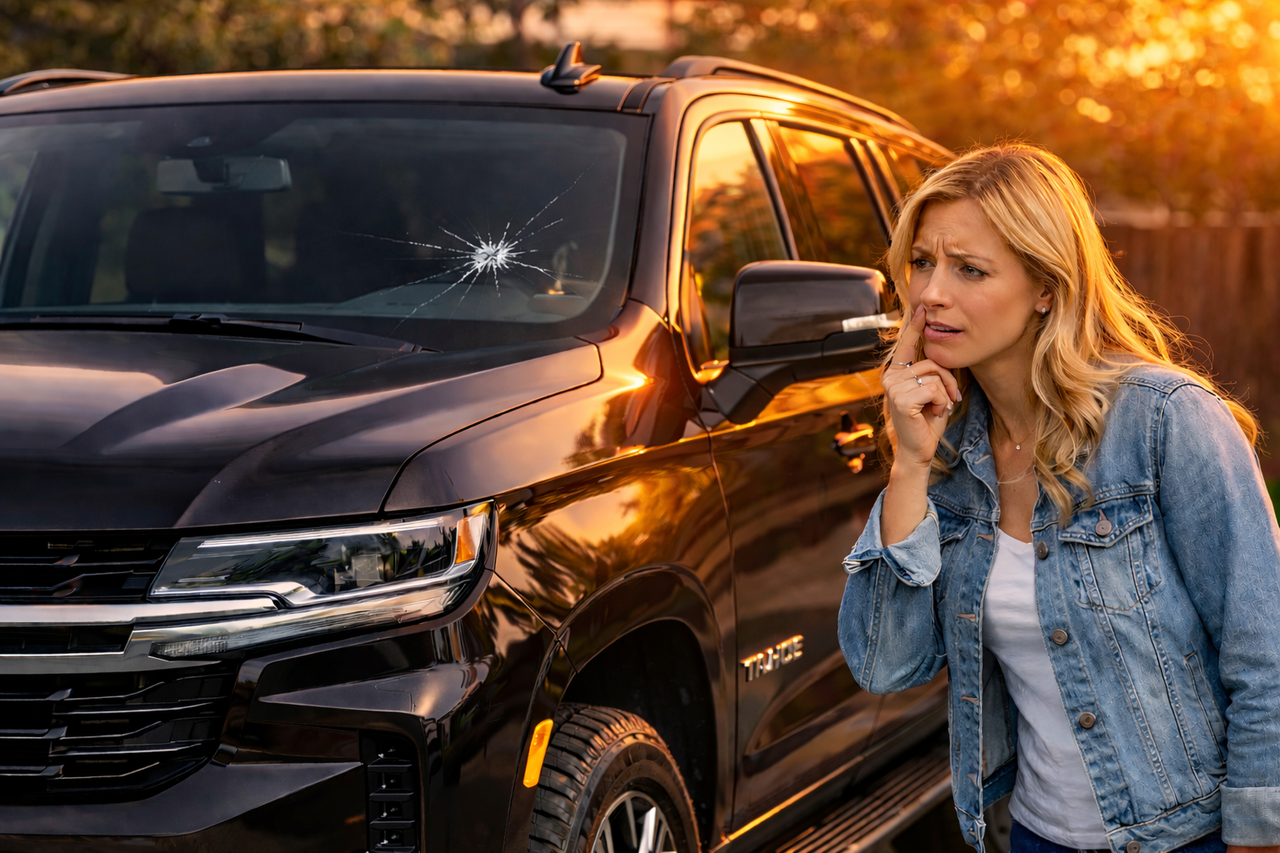
- Warm the glass slowly. Aim the defroster at low to medium first, then increase as frost loosens. Avoid using boiling water on the exterior. You might shock the glass. Replace wiper blades before they harden. When blades chatter or streak, they abrade a fine haze into the top layer of glass. That haze makes glare worse in early sunset, the exact time the Parkway throws deep shadows across gaps. Keep a chip kit in the glove box. A clear patch or curing tab placed over a fresh chip blocks moisture and dirt until mobile windshield repair Asheville arrives. That thirty‑second move can double repair quality. Mind tire spray and distance. After a salt run, give trucks extra room. You can literally hear the ping of grit. That sound translates to dollars later. Clean with the right cloth. Old shop rags carry grit. Use a clean microfiber and a non‑ammonia cleaner on the inside. Ammonia can dry out seals over time.
These adjustments sound basic. Combined with prompt Asheville auto glass repair, they keep small damage small.
What a Good Repair Costs, and What a Cheap One Hides
For typical chips that qualify for Asheville windshield repair, you’re likely in the 80 to 150 dollar range for the first chip, then less for each additional. Cracks up to six inches run higher. Replacement swings widely. Basic windshields without sensors can range from the low 200s to 400 dollars installed. Add acoustic layers, rain sensors, heaters, or camera mounts, and you’re looking at 400 to 900 dollars, sometimes more for luxury badges. ADAS calibration adds another 150 to 350 depending on static versus dynamic.
There’s always someone cheaper. Ask what they are skipping. If the quote undercuts everyone by triple digits, check the glass brand, the urethane spec, the warranty, and whether calibration is included or farmed out. I’ve revisited plenty of bargain installations with wind noise at 40 mph and an ADAS dash light that appeared two weeks later.
Insurance often helps, especially for repair. Many carriers waive deductibles for chip repair, since it avoids a costlier replacement later. Replacement usually triggers your comprehensive deductible. A straightforward Asheville auto glass replacement claim goes quickly when the provider knows how to submit with your VIN and glass options. Ask the shop if they handle billing, or if you need to pay and get reimbursed.
Special Cases: Heated Windshield Strips, Heads‑Up Display, and Classic Glass
Asheville’s mix of vehicles throws curveballs. Late‑model Fords and Jaguars with heated wiper parks or full heated windshields require glass that carries embedded filaments. Install the wrong pane, and you lose the feature or blow a fuse. Heads‑up display windshields use a specific laminate to prevent double images. Mount generic glass and your speed will appear ghosted on Tunnel Road.
On the other end, classics and vintage trucks around West Asheville rely on older sealing methods with rubber gaskets rather than urethane bonding. Those installs demand patience, fresh seals, and careful fit so water doesn’t wick during winter rain. If you’re in a 1972 F‑100 or a square‑body Chevy, ask if the Asheville auto glass service you call works on gasketed glass. A generalist might, but a specialist will bring the right tools and sealants that stay flexible in cold.
The Role of Dry Time and Your First Drive After Service
Your first drive after a winter repair or replacement sets the tone for longevity. For repairs, once the UV cure is complete, you’re good to drive, but avoid harsh washer fluids and don’t scrape aggressively over the site for a day. For replacements, honor the safe drive‑away time provided for the specific urethane. Keep a window cracked a half inch for a few hours so pressure equalizes. Avoid car washes for 24 to 48 hours, especially touchless washes that blast the perimeter with cold, high‑pressure water.
If your car uses ADAS, expect a calibration drive or a bay session. A calibrated system should not illuminate warning lights. If it does, return immediately. Sometimes a camera bracket needs a tighter seat, or the target run needs a second pass due to sunlight glare or road crown. Asheville’s hilly streets and the Blue Ridge Parkway’s curves can complicate dynamic calibration; experienced techs know the straight stretches to use.
The Case for Acting Fast on Small Damage
Every winter I meet drivers who meant to call and waited. One story sticks: a teacher in Haw Creek with a neat quarter‑sized bull’s‑eye from a weekend drive to Black Mountain. She parked under trees, temperatures dropped, and by Monday the crack ran eight inches from the chip toward the A‑pillar. A repair that would have cost her 95 dollars and twenty minutes turned into a replacement with camera calibration and two hours of downtime. The difference wasn’t bad luck. It was time.
The same pattern repeats across Asheville. When someone reaches out the day they notice a chip, a mobile tech slips them into a route in 28805 or 28801 between other jobs. The repair holds through spring. When someone waits a week, a cold snap makes the decision for them. If you’re weighing the call, that’s your answer. Small damage doesn’t negotiate with winter.
Working With a Provider You Can Trust
You want someone who treats glass as safety equipment, not a commodity. Look for a shop or mobile team that:
- Explains repair versus replacement without pressure, including why a line‑of‑sight chip shouldn’t be repaired. Names the resin and urethane products they use and quotes a realistic safe drive‑away time for winter temperatures. Handles ADAS calibration or partners with a local calibrator and books it as part of the appointment. Serves your neighborhood with the right gear: moisture control for 28805 winds, wind screens for 28801 streets, same day auto glass Asheville 28804 when the forecast drops fast. Offers a clear warranty that covers bond failure and water leaks, not just “defects” in vague language.
Credentials matter, but experience in Asheville’s microclimates matters more. A tech who has fought a repair on a gusty East Asheville afternoon will plan differently than someone who only works bay jobs.
Don’t Forget Side and Rear Glass
Windshields hog the attention, but winter also takes aim at side and rear glass. A door glass shatters completely when struck, leaving the cabin exposed to cold and theft. For Asheville car window replacement, response time is critical. Emergency auto glass Asheville 28806 services can board up and install same day in many cases. Rear glass often includes defroster lines and antennae; correct replacement preserves both functions. If a shop quotes strangely low, check whether those features are included or lost. You’ll miss them the first frosty morning on Brevard Road.
Practical Route to a Winter‑Ready Windshield
If you’re navigating Asheville’s season, here’s a clean approach that works:
- At the first chip, cover it with clear tape and schedule Asheville cracked windshield repair. If you’re downtown, Asheville auto glass repair 28801 mobile crews can usually meet you near your block. In South Asheville, request windshield repair Asheville 28803 with a spot that gets morning sun to aid the process. If the crack runs, accept replacement early. Ask for Asheville windshield replacement with the correct glass options, and confirm calibration. In North Asheville, same day auto glass Asheville 28804 is worth requesting before an overnight freeze. Winterize habits: gentle defrost, new blades, distance from salt trucks, and periodic cleaning with a non‑ammonia solution. Keep your insurer in the loop. Ask if chip repairs are covered at no out‑of‑pocket cost. Many are, and the claim doesn’t affect your rates when it’s comprehensive and minor.
Closing the Winter Gap Between Small and Serious
Asheville’s winter makes quick work of indecision. A windshield is a safety device, a weather shield, and a sensor housing. Treat it that way. When damage is minor, Asheville auto glass repair is fast, affordable, and effective. When it isn’t, Asheville auto glass replacement protects your view and your vehicle’s safety systems. Mobile auto glass Asheville options take the hassle out of both.
If you drive a daily commute between West Asheville and downtown, if you climb Beaucatcher on frosty mornings, if you park beneath oaks that drip ice onto cold glass, give your windshield the same attention you give your tires. The season rewards the driver who moves early, asks the right questions, and insists on materials that cure in the cold. Do that, and your glass will see you clearly through the last hard freeze to spring.